

Legal Steps to Protect Your Reputation and Image
In today’s digital age, personal and professional reputations can be damaged in an instant, making proactive protection more important than ever. Legal measures, from defamation claims to privacy enforcement, provide tools to safeguard one’s image against false or harmful statements. High-profile cases, including the controversies surrounding jeffrey epstein, illustrate how public perception and media scrutiny can drastically impact an individual’s reputation, even before legal outcomes are finalized. Understanding these legal steps empowers individuals to respond effectively, mitigate damage, and maintain control over their personal narrative. This article explores practical strategies for protecting reputation and image in an increasingly connected world.
Addressing Defamation and False Statements
 Defamation occurs when false statements are communicated to a third party, causing harm to reputation. This includes both written statements (libel) and spoken statements (slander). Legal remedies for defamation typically involve pursuing civil action to seek compensation or corrective measures. Preventive steps include monitoring public mentions, understanding jurisdictional differences in defamation law, and documenting instances of potentially harmful statements. For Canadian residents, defamation law balances freedom of expression with protection from reputational harm, making a timely legal assessment critical when addressing false or damaging claims.
Protecting Privacy and Personal Information
Privacy protection is a key aspect of reputation management. Unauthorized use of personal data, images, or likenesses can result in harm to an individual’s public image. Legal avenues exist to prevent or respond to invasions of privacy, including claims for intrusion upon seclusion, misappropriation of likeness, or publication of private facts. Organizations and individuals can strengthen legal protection by setting clear terms of use for personal content, monitoring digital presence, and leveraging privacy legislation, such as Canada’s Personal Information Protection and Electronic Documents Act (PIPEDA), to enforce rights when personal data is misused.
Intellectual Property as a Shield

Intellectual property (IP) law can also safeguard reputation and image. Trademarks, copyrights, and rights of publicity protect names, logos, creative works, and distinctive personal likenesses. Unauthorized reproduction or commercial use of protected content can dilute a brand or misrepresent an individual. By registering IP assets and enforcing rights through legal channels, individuals and organizations create a formal layer of protection. IP law provides tools to prevent others from exploiting reputation for commercial gain or misleading the public.
Legal Agreements and Preventive Measures
Contracts and agreements can serve as proactive mechanisms to protect reputation. Non-disclosure agreements, confidentiality clauses, and morality clauses can limit the risk of damaging disclosures or inappropriate use of content. These legal instruments are especially relevant for public figures, executives, or organizations collaborating with external partners. Drafting clear, enforceable agreements ensures that third parties understand obligations regarding privacy, confidentiality, and representation, helping to prevent disputes before they arise.
Responding to Online Harm
 The digital landscape presents unique challenges for reputation protection. Social media, review platforms, and user-generated content can rapidly amplify harmful statements. Legal strategies for addressing online harm include issuing takedown notices, pursuing defamation claims, and engaging platforms in accordance with applicable regulations to remove false or misleading content. Canadian laws provide specific mechanisms to address digital defamation and privacy violations, emphasizing both timely action and evidence preservation. Combining legal recourse with monitoring and documentation strengthens the overall approach to digital reputation management.
Protecting reputation and image requires a combination of legal knowledge, proactive monitoring, and strategic enforcement. By understanding defamation laws, privacy protections, intellectual property rights, contractual safeguards, and digital remedies, individuals and organizations can reduce the risk of reputational harm. For Canadian residents, leveraging these legal frameworks provides both preventive and reactive measures, ensuring that personal and professional identities are defended effectively. A comprehensive, informed approach is essential in maintaining trust, credibility, and long-term public standing.
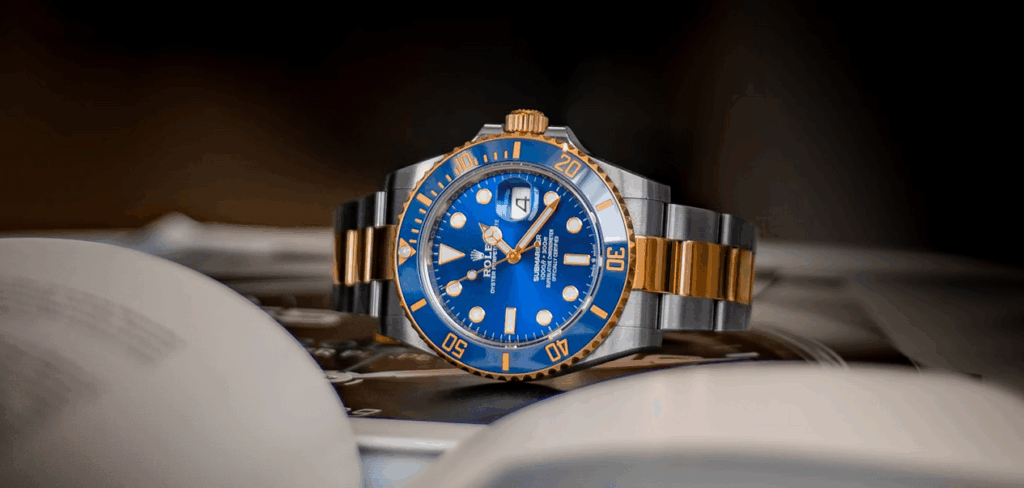

 Limited-edition timepieces can act like miniature portfolios. Their rarity attracts collectors and sometimes guarantees long-term value. According to Financial Times, watches tied to iconic events or athletes often see a 20–50% value increase over a decade. Rare pieces also carry historical significance, making them appealing beyond pure aesthetics. Rarity isn’t just about numbers; it’s about storytelling. Watches associated with major tournaments or milestones hold emotional appeal. This narrative amplifies their investment allure. Buyers often pay a premium for the connection to memorable sports moments.



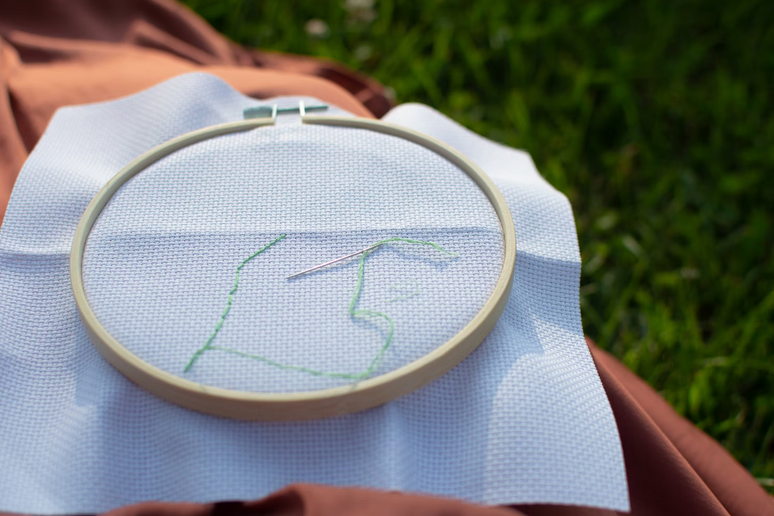
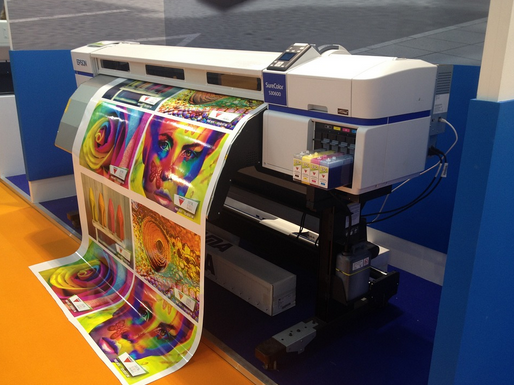
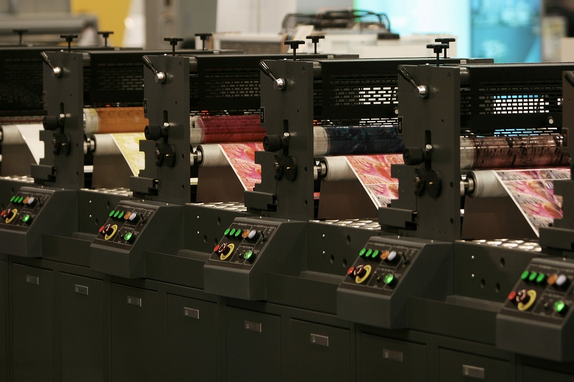


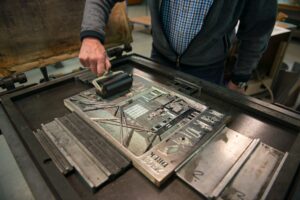 Sublimation printing, also known as dye-sublimation, is a heat transfer technique that involves using special inks to create vibrant and long-lasting designs on various surfaces. This method works by converting the solid ink into a gas through heat and pressure, which then bonds with the material’s fibers. The result? A stunningly detailed image that becomes an integral part of the fabric or substrate. Just be sure to use the best machine for this technique.


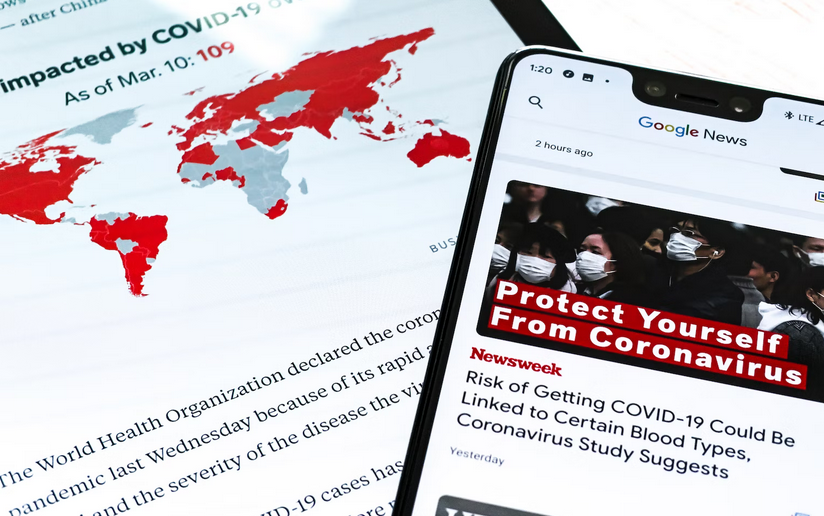



 The first way to effectively manage your business’s finances is by setting up a budget. It is known that a budget helps you track your income and expenses, identifying areas where you can cut costs or allocate funds more efficiently. It also provides a clear roadmap for your financial goals and helps you stay on track with your spending. Additionally, regularly reviewing and adjusting your budget can help you adapt to changing market conditions and ensure the financial stability of your business. Many business owners have made mistakes in the past that have led to bankruptcies. By creating and following a budget, you can avoid these mistakes and make informed decisions about your business’s financial health.
 The third and last way to manage your business’s finances is to optimize your payroll process. This involves streamlining and automating your payroll system to ensure accurate and timely payment of wages to your employees. By doing so, you can reduce the risk of errors or delays in payroll processing, which can lead to disgruntled employees and potential legal issues. Optimizing your payroll process can help you track and manage employee benefits, deductions, and taxes more efficiently, saving you time and resources in the long run. People doing this have seen improved employee satisfaction and increased productivity due to a streamlined payroll system.



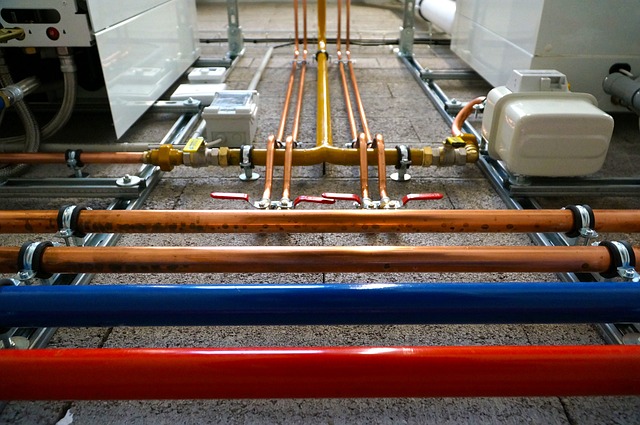




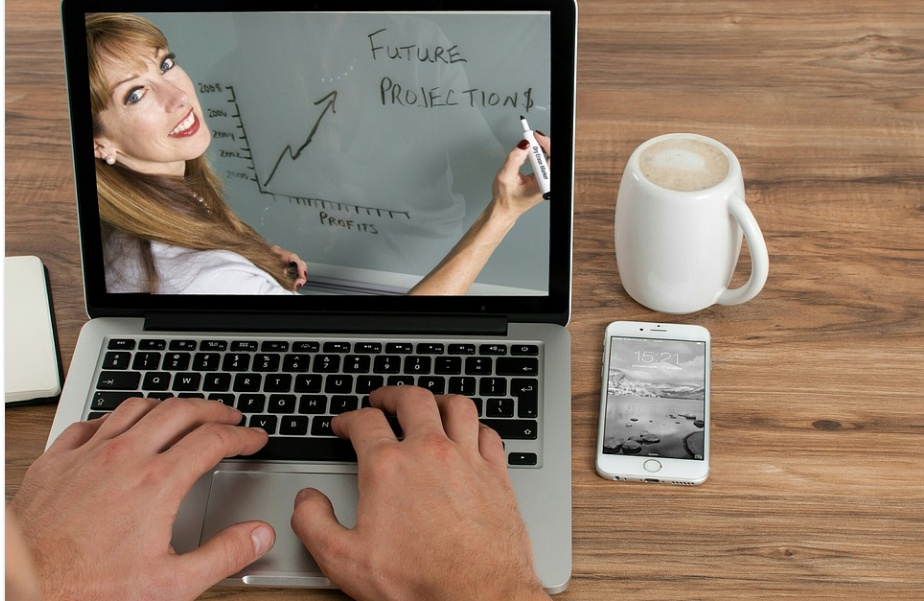 The first thing you should consider is what programs the schools you are interested in the offer. If you have your heart set on a certain major, you will want to make sure that the school you choose has a good program for that major.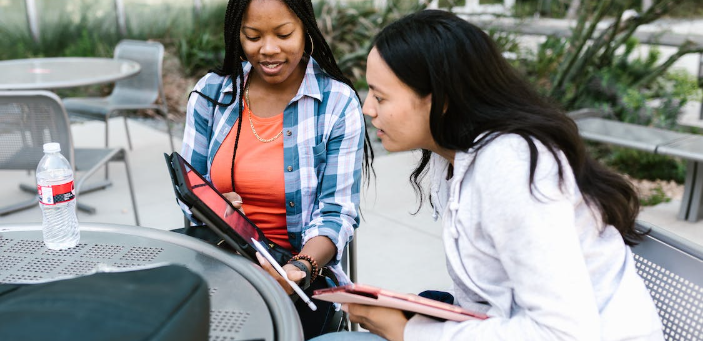
 The fourth and final thing to consider is the cost of attendance. This includes tuition, room and board, books and supplies, and other fees. Make sure that you know the total cost of attendance for each school you are interested in so that you can make an informed decision. You may also want to consider financial aid and scholarships when making your decision. If you need help paying for college, many options are available.
 One of the benefits of buying food online from sites like
  If you have a specific diet or food preference, chances are you’ll be able to find it online. Whether you’re looking for organic, gluten-free, or non-GMO foods, there’s a website or online store that specializes in selling the type of food you want.
 Although there are many concerns about the quality of food purchased online, in reality, most ordered food arrives fresh and in good condition. This is because reputable companies take measures to ensure that the food they sell is of high quality. In addition, ordering food online allows you to choose from a wide variety of foods, which means that you are more likely to find fresh and good-quality food.



 Most people know that
  There are a lot of benefits to recycling and composting. For one, it helps conserve natural resources. It also reduces the amount of waste that goes into landfills and incinerators. And finally, it helps create new jobs in the recycling and composting industry.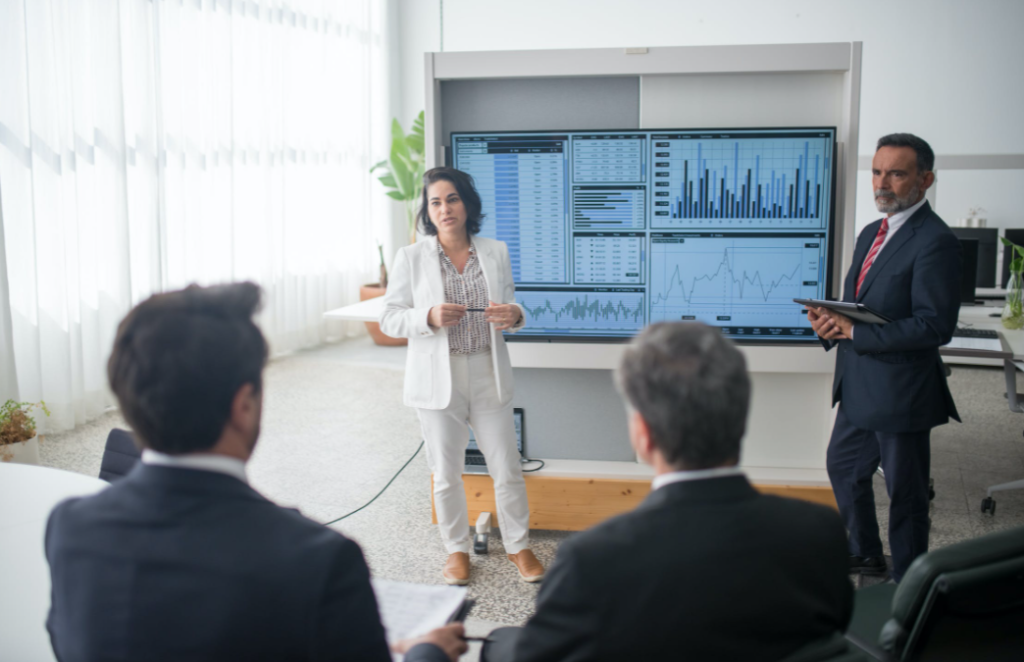
 One of the most significant benefits of investing in stocks is their stability. Unlike other investments, stocks tend to be much more stable and less volatile. It makes them an excellent option for those looking for a relatively safe investment with the potential for high returns.
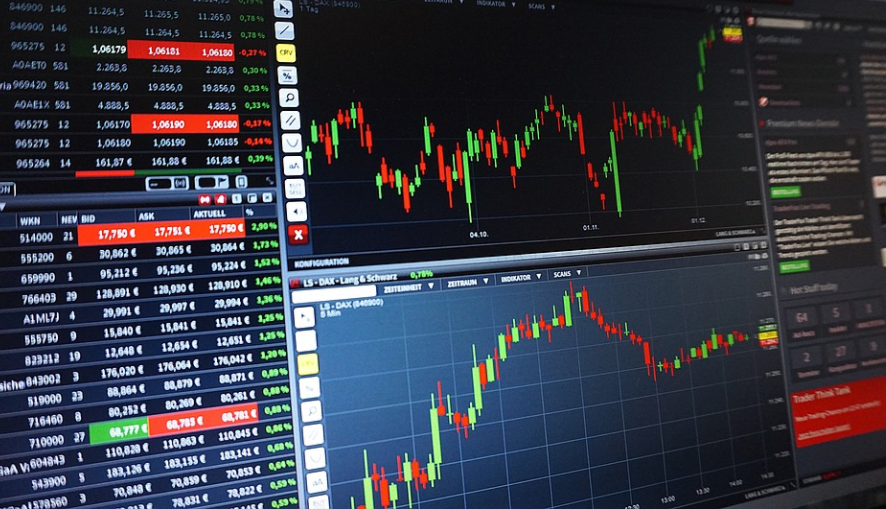 When it comes to investing in stocks, stocks offer diversification. It means that when you invest in stocks, you are not putting all your eggs in one basket. Instead, you are spreading your risk out over several different companies.
 The great thing about thrift stores is that you can take your time to look through everything. This means that you can find the best deals and save the most money. So, don’t be in a hurry and make sure to check every aisle and section of the store. You have to be patient and spend the time to find those hidden gems.
 You have to bring a list of specific items you need to make the most of your time at the thrift store. This will help you stay focused and not waste time browsing through clothes or other items that you don’t need. It’s easy to get caught up in the moment and buy things simply because they are cheap, but if it isn’t what you want or need, there is no use for it other than taking up space at home. If you have a room dedicated to your hobby, go ahead and buy all the supplies you need to get started on it.
 The best definition of the word “fleet management” describes it as a technique that deals with
  Some larger companies may prefer to use their own “in-house” division to manage their vehicles. However, it is not an option for smaller companies who don’t have the resources or time to create an entirely different office with fleet management options in mind. For this reason, most companies outsource fleet management tasks and responsibilities to an outside fleet management solutions company by outsourcing to an external company that excels in fleet options. As a result, a vehicle-dependent company can save a good amount of money, as not only will they not have to manually purchase an entirely new fleet of vehicles on their initiative.


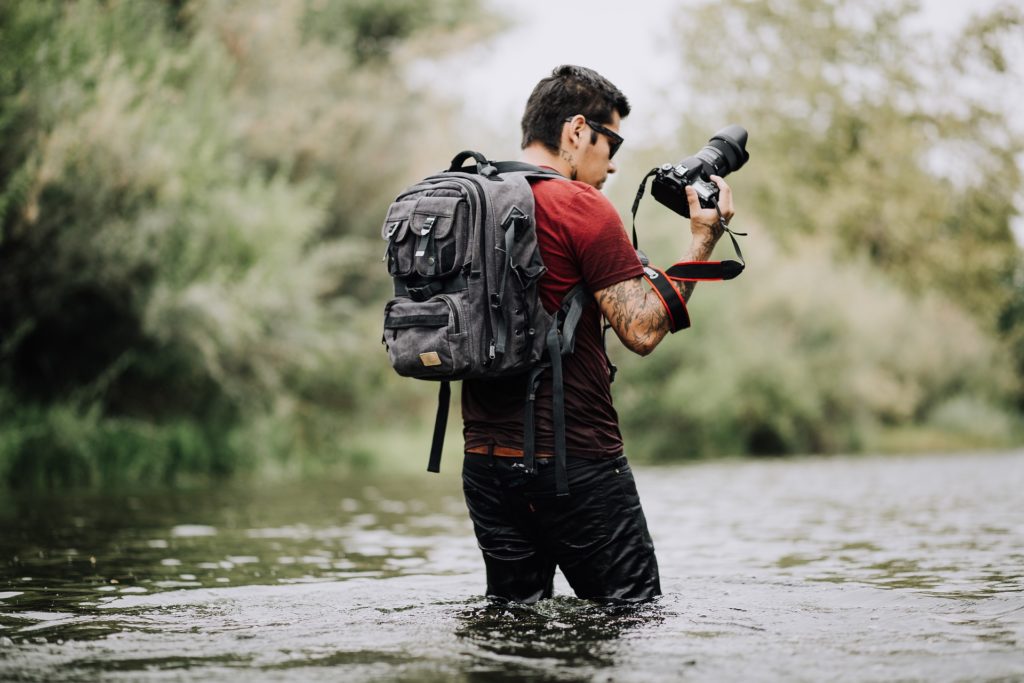
 An excellent camera bag is essential. It will be used a lot, so you need to think about which bag will work best for someone. Lowepro is a great place to start, as the supplier offers just about every type of carrying scenario someone could want. Shoulder bags are available in a range of sizes, each with padded interiors and retractable rain flaps. Lowepro also offers built backpacks in assorted colors. They are best and well suited to the mobile photographer. If you’re considering style as well protection, you can have the Domke F-5XB RuggedWear Medium Shoulder and Belt Bag. This water-resistant canvas bag can be worn across the shoulder or on the hip.
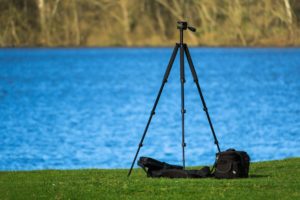 Whether you decide to spend a lot or a little, having something to stabilize your camera is a necessity for certain types of photography. The Manfrotto MT055XPRO3 is an excellent all-purpose aluminum tripod, with enough support for camera loads of around 19.8 pounds. The MeFOTO Globetrotter is perfect for photographers who prefer to travel. This is a device that doubles as a monopod when the column is removed. The MeFOTO’s aluminum construction can hold about 26.4 pounds of gear. If that’s still too much, Joby’s small, springy Gorillapod is the perfect mini tripod for stabilizing a camera that weighs about 6.6 pounds. Its flexible joints can bend to wrap around or hold any object.